Before Jonas Salk and his team invented a vaccine for the polio virus in 1952, humans had battled its paralyzing effects for a millennia. But a 30-year endeavor to rid the world of the incurable disease will render it virtually extinct by the end of 2017. This monumental achievement, rivaled only by the eradication of smallpox in 1980, is the result of coordinated efforts by scientists and volunteers to track its spread and deliver vaccines both orally and by injection to billions around the world.
Tags
advertisement
More for You
-
How couples divide chores may shape sexual desire in ways you wouldn’t expect
Who does the dishes might matter more than you think.
As many couples aim for more equal partnerships, dividing responsibilities isn’t always straightforward. In households where both partners work full-time, figuring out how to share chores has become an important part of maintaining balance at home.
A new study published in The Journal of Sex Research examined whether couples dividing household chores is linked to a woman’s sexual desire. The researchers found that the relationship between the division of household labor and sexual desire varies based on beliefs about gender roles.
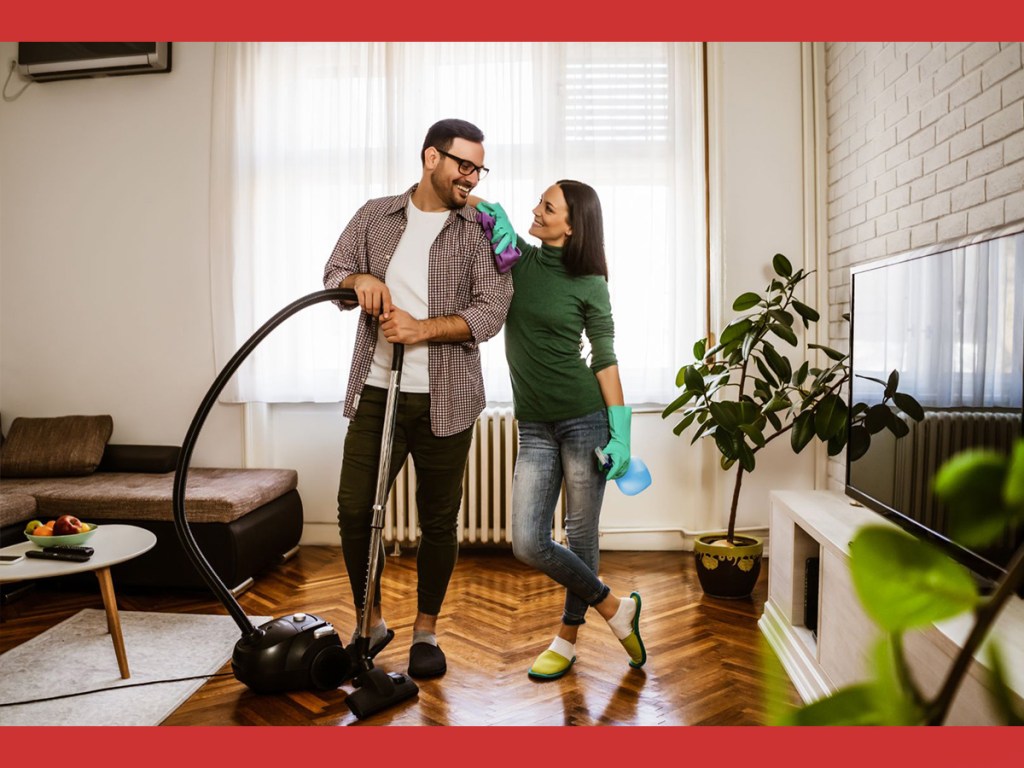
A couple cleans together.
Photo credit: CanvaHousehold labor balanced against sexual desire
This pattern has long been explained in narrow ways. Low sexual desire among women in long-term relationships is often treated as an individual issue: stress, relationship dissatisfaction, or hormonal changes. Instead, this study examined a broader social dynamic: how work is divided at home compared to perceptions of what that balance should look like.
Focusing on two different survey samples, the researchers found that women generally reported lower sexual desire than men while also indicating that they perform more household labor than their male partners. Mothers who took on a greater share of household responsibilities reported the lowest levels of sexual interest.
The study also examined the impact of benevolent sexism, which refers to beliefs that reinforce traditional gender roles, such as women as caregivers and men as providers. A couple’s attachment to these beliefs significantly influences how household labor and sexual desire are connected.
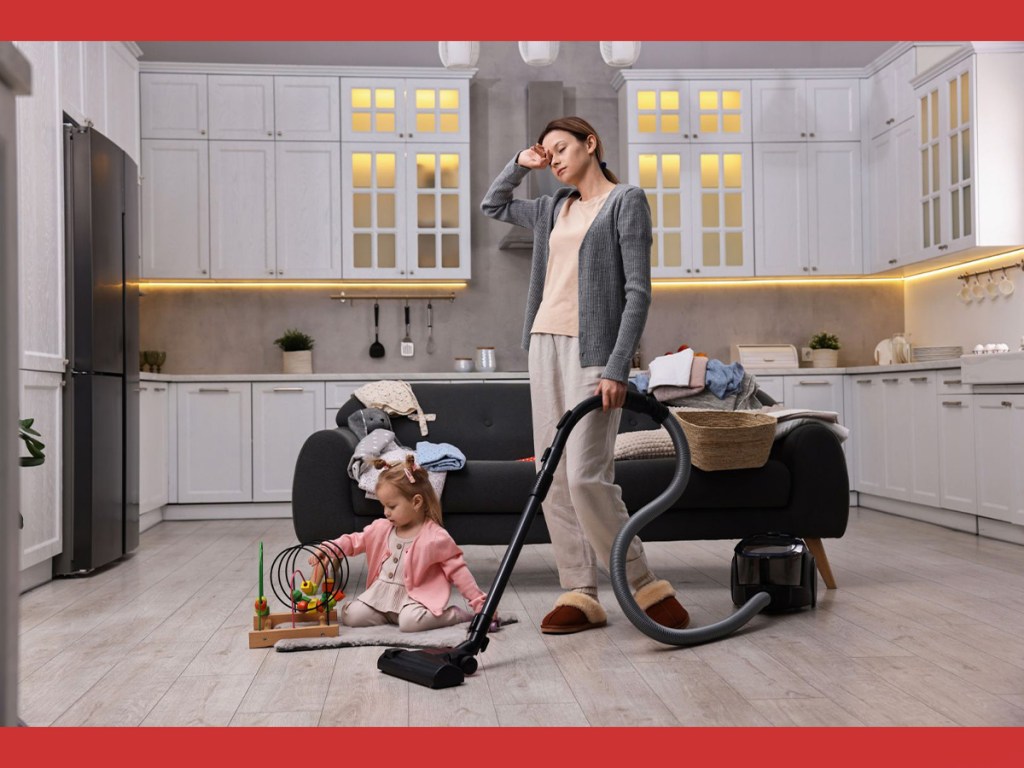
A woman is cleaning while her child plays.
Photo credit: CanvaBelief systems sway the balance of sexual motivation
Women who held more egalitarian beliefs and preferred equal partnerships reported the highest levels of sexual desire when chores were split evenly. But when they found themselves doing a greater share of the household labor, they reported the lowest levels of sexual motivation.
For women who endorsed more traditional gender roles, the pattern was different. In those cases, taking on more household responsibilities was not associated with the same decrease in sexual desire.
Leading the research was Alexandra Liepmann, a PhD student in the Department of Psychology and Neuroscience at the University of Colorado Boulder. “Although women who endorse more traditional gender roles may not experience these costs in their sexual desire for their partner when doing more household labor, they may still experience costs in their personal and professional lives,” Liepmann told PsyPost.

Husband and wife are working from home.
Photo credit: CanvaStudies that connect the dots
Adding to the evidence of this imbalance was a 2023 study focused on the distribution of household labor. It found that many relationships still adhere to unequal standards for women’s responsibilities compared to men’s.
Another 2023 study found that women’s sexual desire tends to be more sensitive to the context of a relationship, particularly how things are going at home. This supports the idea that a woman’s perception of expected equality can affect her level of desire.
Taken together, these findings indicate that household labor and beliefs about fairness may directly affect sexual desire for some women. Couples who divide chores more evenly may experience better intimacy outcomes regardless of their personal beliefs about gender roles and responsibilities.
-
59% of Americans worry about sunscreen chemicals. Only 32% understand how sunscreen works.
Confusion clouds a key cancer prevention tool.
Tiffany Miller for Melanoma Research Alliance
Many Americans think of sunscreen at the beach. Fewer consider wearing it for the drive there. And many are questioning if they should wear sunscreen at all.
These trends, uncovered in a new national survey from the nonprofit Melanoma Research Alliance (MRA), highlight a central challenge in skin cancer prevention.
Skin cancer is the most common form of cancer in the United States, according to the CDC. Nine in 10 skin cancers, including melanoma, are linked to exposure to ultraviolet (UV) radiation, according to the MRA. Reducing exposure to UV radiation lowers the risk of skin cancer, making sunscreen a key part of prevention.
A survey of 2,000 adults found that most Americans have a basic understanding of the risks of sun exposure, but that awareness doesn’t always translate into action. More than 8 in 10 recognize that spending long hours in the sun contributes to melanoma risk, yet roughly one-quarter say they rarely or never use sunscreen when spending time outdoors.
Then there are those everyday moments that most people don’t recognize as risky. The light coming through the window over the sink. The short walk from the parking lot. The hour in the bleachers with the sun hitting one side of your face. A single sunburn can be dangerous, but it’s the accumulation of exposure over time that often drives risk.
Sunscreen is widely recognized as an effective tool for skin cancer prevention, yet confusion and misinformation persist, especially on social media. Fifty-three percent of respondents say they have seen claims that sunscreen ingredients may be harmful. Fifty-nine percent say they are concerned about what’s in sunscreen, and 38% don’t believe sunscreen is safe and effective.
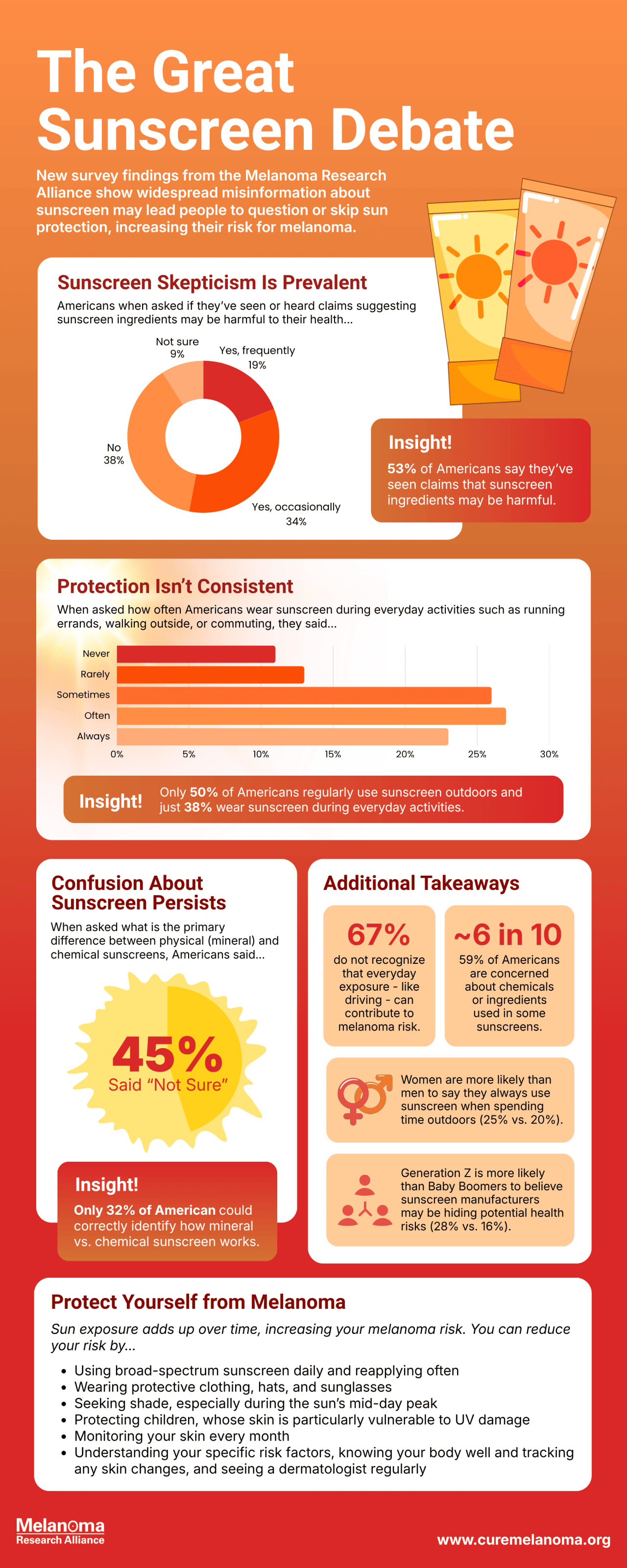
Many Americans also say they aren’t sure how sunscreen works. Only about a third can correctly explain the difference between types of sunscreens, while a much larger share reports being unsure.
Sunscreen works by absorbing or blocking UV radiation from reaching the skin, preventing DNA damage that can cause skin cancer. In the United States, the active ingredients in sunscreen undergo rigorous review by the Food and Drug Administration, which evaluates them as over-the-counter drugs. This drug-level standard requires extensive testing and contributes to a more limited set of approved UV filters compared with Europe, where sunscreens are regulated as cosmetics. The FDA is currently evaluating additional methodologies for assessing sunscreen ingredients, a process that could expand the number of approved UV filters available to U.S. consumers.
All of this is unfolding during a period of real progress in melanoma research. While melanoma remains the deadliest form of skin cancer, more than 8,500 Americans are expected to die from it in 2026, roughly one person every hour, according to the American Cancer Society. Recent advances are improving outcomes for many patients with advanced disease, though approximately 50% of patients do not respond to current treatments, according to MRA, underscoring why prevention and early detection remain critical.
Survey methodology: The Melanoma Research Alliance commissioned Atomik Research to conduct an online survey of 2,000 U.S. adults between March 27 and April 1, 2026. The sample is nationally representative based on gender, age, and geography. Margin of error: ±2 percentage points at a 95% confidence level. Atomik Research, part of 4media group, is a creative market research agency.
This story was produced by Melanoma Research Alliance and reviewed and distributed by Stacker.
-
You know exercise is good for you – so why is it so hard to put it into practice?
Laura Baehr Physical activity is one of the most powerful health tools people have to improve mood, energy and sleep, even after just a few sessions. But the real superpower of an active lifestyle is what it can do for health and quality of life over time. Scientific evidence repeatedly demonstrates that physical activity reduces the risk of developing chronic conditions…
Physical activity is one of the most powerful health tools people have to improve mood, energy and sleep, even after just a few sessions.
But the real superpower of an active lifestyle is what it can do for health and quality of life over time. Scientific evidence repeatedly demonstrates that physical activity reduces the risk of developing chronic conditions such as heart disease, diabetes and even some cancers. Despite this, most Americans are not getting enough physical activity in their daily lives.
So why are so few people physically active when the benefits are widely known?
As a physical therapist and rehabilitation scientist who studies how to boost movement for people living with chronic conditions and physical disabilities, I spend a lot of time thinking about that question.
The short answer is that understanding the importance of exercise usually doesn’t translate into exercising. Making it a part of your lifestyle requires believing you can do it and knowing you can do it.
Exercise is a lifestyle choice that helps reduce the likelihood of developing a chronic illness. But the good news is that if you’re one of the 194 million Americans already living with one or more chronic illnesses, beginning or maintaining an exercise routine can slow the progression, reduce symptoms and improve health outcomes.
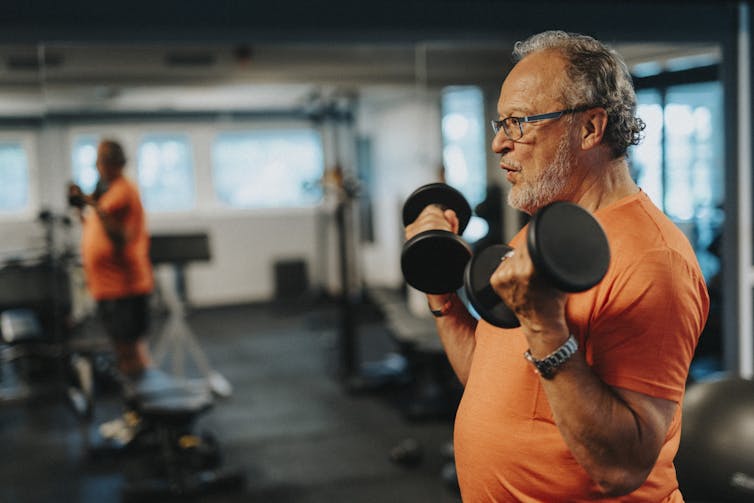
It’s never too late to reap the benefits of being active. Maskot/DigitalVision via Getty Images The difference between knowing and doing
People are perpetually being sold on the benefits of physical activity, whether it’s from national healthcare organizations, their medical teams or social media influencers.
But research is clear that education alone does not predict changes in behavior.
Instead, shifting your beliefs about the barriers preventing you from exercise might actually be the key to get you moving more.
In 1977, a psychologist named Albert Bandura proposed that the ability to perform a task even when it’s difficult – a concept called self-efficacy – is the most important personal characteristic that drives healthy changes in behavior.
Half a century later, self-efficacy is still considered one of the most crucial personal factors for behavioral change when it comes to long-term physical activity. Researchers who develop and test exercise interventions, including me, evaluate novel tools and programs that are built to boost self-efficacy.
Someone with high self-efficacy might say that they can get back to their exercise routine even if they miss a day. Or they might find a way to still exercise when they’re busy or tired. Someone with lower self-efficacy might be thrown off their routine if presented with the same obstacles.
But how do you build this crucial trait and get moving more? A meta-analysis found that despite its importance, there is not one magic way to boost self-efficacy.
That’s because people’s behavior is more complicated than individual factors alone. People and groups have varying needs and contexts that require tailored approaches.

Doing exercise you enjoy is one key to consistency. Luis Alvarez/DigitalVision via Getty Images Tips increase exercise self-efficacy
Self-efficacy may be affected by multiple factors, but people can still apply techniques to boost their ability to start and stay with an exercise routine.
Make it manageable. It may seem intuitive to set personal goals, but many of us aim too high and end up discouraged. Goals focused on weight loss, heart health or muscle strength are fine, but they can take a long time to achieve. Long-range goals don’t tend to be motivating in the difficult moments – like when you want to hit snooze but promised yourself that you were going to take a long walk before work.
Instead, try short-term goal-setting – such as aiming to get a set number of lunchtime walks in during the workweek. This will move you toward your long-term goals, while making it easier to see and feel progress.
In 2026, the American College of Sports Medicine refreshed its guidance on strength training, which represents synthesized findings from 137 systematic reviews and the first update since 2009. The biggest recommendation difference? Consistency matters more than specificity of strength programs. What that means is that doing any strength training has health benefits as long as it is the kind you will keep doing.
Make it add up. The CDC’s recommended 150 minutes of aerobic activity is meant to be spread throughout the week – not done all at once. Research shows that small bursts of activity still have significant impacts on your overall health, and you’re much more likely to stick with them.
Only have 15 minutes while your kid is asleep? Have a short exercise video or app cued up for nap time. Waiting for your next Zoom meeting to start? Climb your stairs once or twice. Microwaving your lunch? Hold on to the counter and lift and lower your heels until the timer goes off. Every little bit matters to your mind and body.
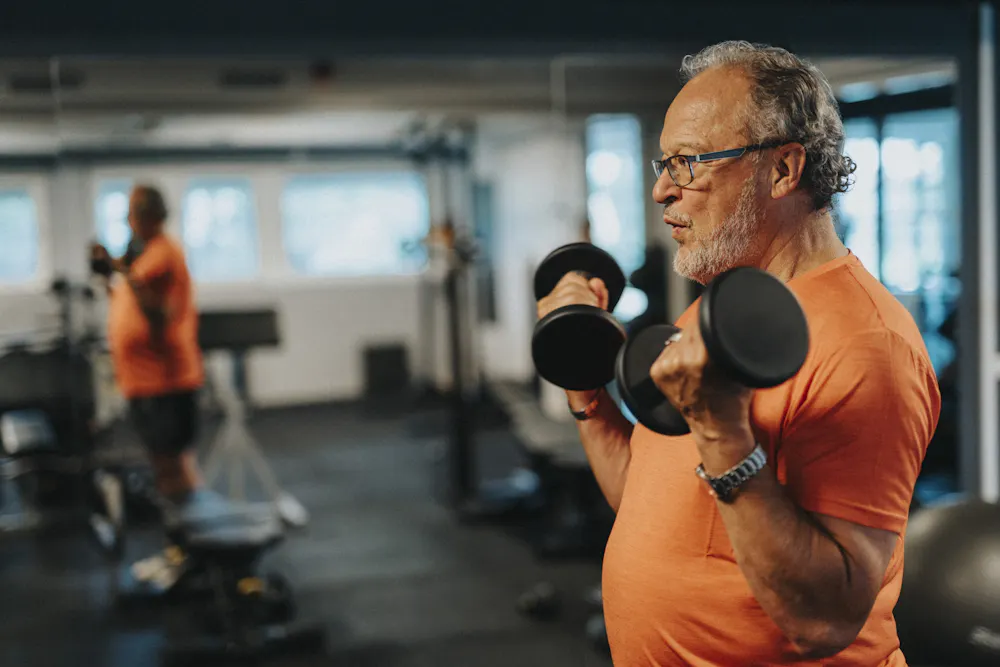
Make it meaningful. Prioritize doing things you enjoy. The gym is not for everyone, and luckily this style of structured exercise is just one of many options for physical activity. Go bird-watching, join a gardening group, binge watch your favorite show on the treadmill. Any activity you do that uses energy is like dropping a coin into your weekly physical activity bank.
Make it more fun. Choose to be around people who are already exercising – and who encourage you to do it, too. Research shows that people who are sedentary will increase their physical activity by socializing with someone who is active.
Another study shows that older adults can tap into the energy of their peers during group exercise, helping to build self-efficacy. Exercising with others can even reduce social isolation and loneliness. As a bonus, choosing physical activities you enjoy can improve your mood and boost your confidence.
Overcoming the hurdles
These strategies come with a very important caveat: Increasing self-efficacy is empowering, but context also matters.
Some structural barriers to physical activity are beyond the scope of our individual motivation. Researchers and health professionals know that lower socioeconomic status, decreased neighborhood safety and lack of access to exercise programs make being and staying active even more difficult.
But the thing to remember is that even small improvements can have big impacts. It is consistent practice – not perfection – that is key to reaping all the benefits physical activity has to offer.
This article originally appeared on The Conversation. You can read it here.





advertisement



Well-being
59% of Americans worry about sunscreen chemicals. Only 32% understand how sunscreen works.


Society
Teens aren’t as disengaged as you may think: What adults get wrong about adolescents’ civic contributions
Sign Up for the Daily Good!
Advertisement